
🔥 Introduction
Technology has made life easier, but it has also made it more overwhelming. Notifications, apps, endless scrolling, and constant information have created a digital environment where attention is constantly under attack.
Many people feel mentally exhausted not because they are doing too much, but because they are consuming too much.
Digital minimalism is a concept that helps you take control of your digital life instead of letting it control you.
This guide will help you understand how to simplify your online life, reduce digital clutter, and regain focus.
💡 What is Digital Minimalism?
Digital minimalism is the practice of using technology intentionally rather than excessively.
It means:
Using only what adds value
Removing unnecessary digital noise
Focusing on meaningful activities
👉 It’s not about quitting technology — it’s about using it wisely.
📱 The Problem with Modern Digital Life

Today’s digital world is designed to keep you engaged for as long as possible.
Common Issues:
Constant notifications
Social media addiction
Information overload
Reduced attention span
These problems lead to mental fatigue and reduced productivity.
🧠 Why Digital Minimalism Matters
Digital clutter affects more than just your time.
It impacts:
Focus
Mental clarity
Sleep quality
Decision-making
By simplifying your digital life, you create space for deeper thinking and better habits.
🧹 Step 1: Declutter Your Apps

Your phone should serve you, not distract you.
What to Do:
Delete unused apps
Keep only essential tools
Remove time-wasting apps
👉 Less apps = less distraction
🔔 Step 2: Control Notifications
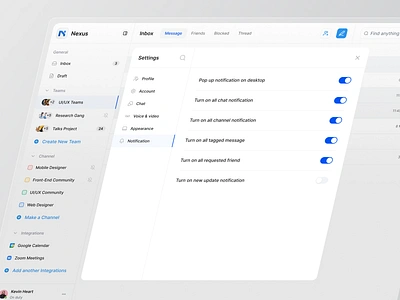
Notifications constantly break your focus.
Solution:
Turn off non-essential notifications
Use “Do Not Disturb” mode
Check apps manually instead of reacting instantly
⏳ Step 3: Set Digital Boundaries
Without limits, digital usage becomes excessive.
Examples:
No phone during meals
Limited social media time
No screens before sleep
📵 Step 4: Practice Digital Detox

Digital detox means taking breaks from screens.
Benefits:
Better focus
Reduced stress
Improved mental clarity
👉 Even a few hours offline can help.
🧩 Step 5: Replace Scrolling with Meaningful Activities

Instead of endless scrolling, focus on activities that add value.
Examples:
Reading
Learning skills
Creating content
🔁 Step 6: Build Intentional Usage

Ask yourself:
👉 “Why am I using this app right now?”
If there’s no clear reason, avoid it.
⚠️ Common Mistakes to Avoid
Trying to quit everything at once
Being too strict initially
Going back to old habits quickly
👉 Start small and stay consistent.
📈 Realistic Results
| Time | Change |
|---|---|
| Few days | Less distraction |
| 1–2 weeks | Better focus |
| 1 month | Clear digital habits |
🧠 Conclusion
Digital minimalism is not about removing technology from your life. It is about using it with intention.
When you reduce digital clutter, you gain back your time, focus, and mental clarity.
Start small, remove distractions, and build a system that works for you.
Frequently Asked Questions (FAQs)
Q1. What is the main idea behind this topic?
The main idea is to help readers understand the concept clearly and apply it in a practical way. It focuses on simple steps that can be followed without confusion.
Q2. Is this method suitable for beginners?
Yes, this approach is beginner-friendly and does not require advanced knowledge. Anyone can start with basic understanding and improve over time.
Q3. How long does it take to see results?
Results depend on consistency and effort. Some improvements can be noticed quickly, but long-term results require regular practice.
Q4. Do I need any special tools or resources?
Most methods can be started with basic tools or resources. Advanced tools can be used later to improve efficiency and results.
Q5. What are the common mistakes to avoid?
Common mistakes include lack of consistency, overthinking, and expecting quick results. Avoiding these helps in better progress.
Q6. Can this be applied in daily life?
Yes, the concepts discussed can be applied in everyday situations. Small changes in routine can lead to noticeable improvements.
Q7. Is this a long-term solution?
Yes, when followed consistently, this approach can provide long-term benefits and sustainable results.
Q8. What is the best way to get started?
The best way to start is by taking small steps and focusing on consistency. Starting simple makes it easier to maintain progress.