
🔥 Introduction
In today’s digital world, distractions are everywhere. From social media notifications to endless scrolling, staying focused has become one of the biggest challenges.
Many people struggle not because they lack ability, but because they cannot maintain focus long enough to get meaningful work done.
If you often feel distracted, unproductive, or overwhelmed, you are not alone. The good news is that focus is a skill that can be developed with the right strategies.
This guide will help you understand how to stay focused and productive in a world full of distractions.
💡 Why Focus is More Important Than Ever
Focus is the ability to give your full attention to one task without getting distracted.
In a distracted environment, the ability to focus becomes a competitive advantage.
People who can focus:
Learn faster
Work better
Achieve more
Distraction, on the other hand, reduces productivity and wastes time.
🚫 The Biggest Causes of Distraction

Before improving focus, it’s important to understand what causes distractions.
Common Distractions:
Social media
Notifications
Multitasking
Lack of clear goals
These distractions break your attention and reduce efficiency.
🧠 The Science Behind Focus
Focus works like a muscle. The more you train it, the stronger it becomes.
When you concentrate on a task:
Your brain enters a deep work state
Productivity increases
Work quality improves
Constant distractions prevent your brain from reaching this state.
⚡ Technique 1: The 80/20 Rule
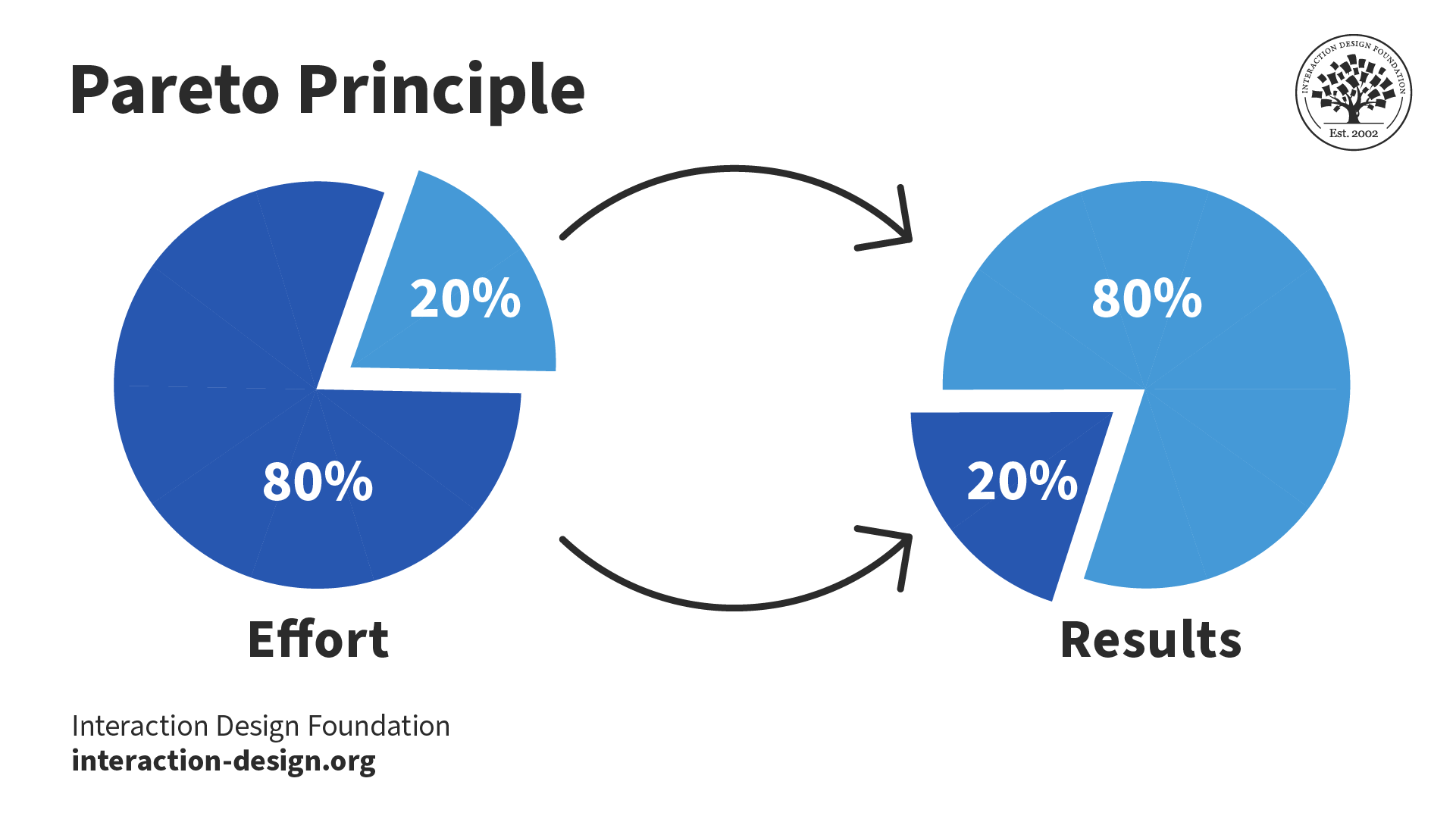
Not all tasks are equally important.
The 80/20 rule suggests:
👉 80% of results come from 20% of efforts
What to Do:
Identify high-impact tasks
Focus on what actually matters
⏱️ Technique 2: Time Blocking

Time blocking means assigning specific time slots to tasks.
Benefits:
Reduces decision fatigue
Improves focus
Creates structure
👉 Example:
9–11 AM → Deep work
11–12 PM → Break + light tasks
📵 Technique 3: Eliminate Distractions

You cannot stay focused if distractions are always present.
What You Can Do:
Turn off notifications
Keep phone away
Use distraction blockers
🧩 Technique 4: Work in Deep Focus Sessions

Deep work means working without interruption for a fixed period.
Example:
45 minutes work
10–15 minutes break
👉 This improves efficiency and reduces burnout.
🔁 Technique 5: Build Consistency

Focus is not built in one day.
It requires:
Daily effort
Consistent habits
Discipline
Small improvements daily lead to big results over time.
⚠️ Common Mistakes to Avoid
Multitasking too much
Overloading your schedule
Expecting instant results
Not taking breaks
📈 Realistic Improvement Timeline
| Time | Progress |
|---|---|
| Week 1 | Awareness |
| Week 2–3 | Better control |
| Month 1 | Improved focus |
🧠 Conclusion
In a world full of distractions, focus has become a superpower.
You don’t need complicated systems. You need simple strategies applied consistently.
Start small, eliminate distractions, and build focus step by step.
Over time, your productivity will improve, and your results will follow.
Frequently Asked Questions (FAQs)
Q1. Why is it so hard to stay focused today?
Staying focused is difficult because of constant distractions like social media, notifications, and multitasking. These interruptions break your attention and make it harder to concentrate on one task for a long time.
Q2. How can I improve my focus quickly?
You can improve focus by starting with small changes such as removing distractions, setting clear goals, and working in short focused sessions. Even simple habits like turning off notifications can make a big difference.
Q3. What is the best technique to stay productive?
There is no single best technique, but methods like time blocking and deep work sessions are highly effective. These techniques help you manage your time better and stay fully focused on important tasks.
Q4. How long does it take to build better focus?
Improving focus is a gradual process. You may notice small improvements within a few days, but strong focus habits usually take a few weeks of consistent effort to develop.
Q5. Can I stay productive without working long hours?
Yes, productivity is not about working longer but working smarter. Focused work sessions with proper breaks are more effective than long hours of distracted work.
Q6. Does multitasking reduce productivity?
Yes, multitasking often reduces productivity because your brain constantly switches between tasks. This lowers efficiency and increases mistakes. Focusing on one task at a time is more effective.
Q7. How do I avoid distractions while working?
You can avoid distractions by keeping your phone away, turning off notifications, and creating a clean workspace. Using apps that block distractions can also help.
Q8. Is focus a skill that can be improved?
Yes, focus is a skill that improves with practice. The more you train your mind to concentrate, the easier it becomes to stay focused for longer periods.