
Introduction
Have you ever been completely sure about something—only to discover later that you were wrong?
Maybe you remember a movie quote differently, or you’re convinced a logo looked a certain way… but reality tells a different story.
This unsettling yet fascinating phenomenon is called the Mandela Effect—a situation where a large group of people share the same false memory.
It raises deep questions about how our minds work, how memory is formed, and whether reality is as stable as we believe.
In this blog, we’ll explore the origins of the Mandela Effect, famous examples, scientific explanations, and what it reveals about human perception.
🧩 What is the Mandela Effect?


The term Mandela Effect was coined by Fiona Broome.
She noticed that many people believed that Nelson Mandela had died in prison during the 1980s—even though he was released and later became president, passing away in 2013.
This sparked a realization:
👉 People can collectively remember things that never actually happened.
🔍 Famous Examples of the Mandela Effect


Let’s look at some of the most popular examples:
🎬 Movie Misquotes
From Star Wars: The Empire Strikes Back:
Common memory: “Luke, I am your father.”
Actual line: “No, I am your father.”
📚 The Berenstain Bears
Many remember: Berenstein Bears
Actual spelling: Berenstain Bears
🧢 Monopoly Man
Popular belief: he wears a monocle
Reality: he never did
⚡ Pikachu’s Tail
Many remember a black tip
In reality: the tail is plain yellow
These examples feel incredibly real—yet they’re incorrect.
🧠 Why Does the Mandela Effect Happen?
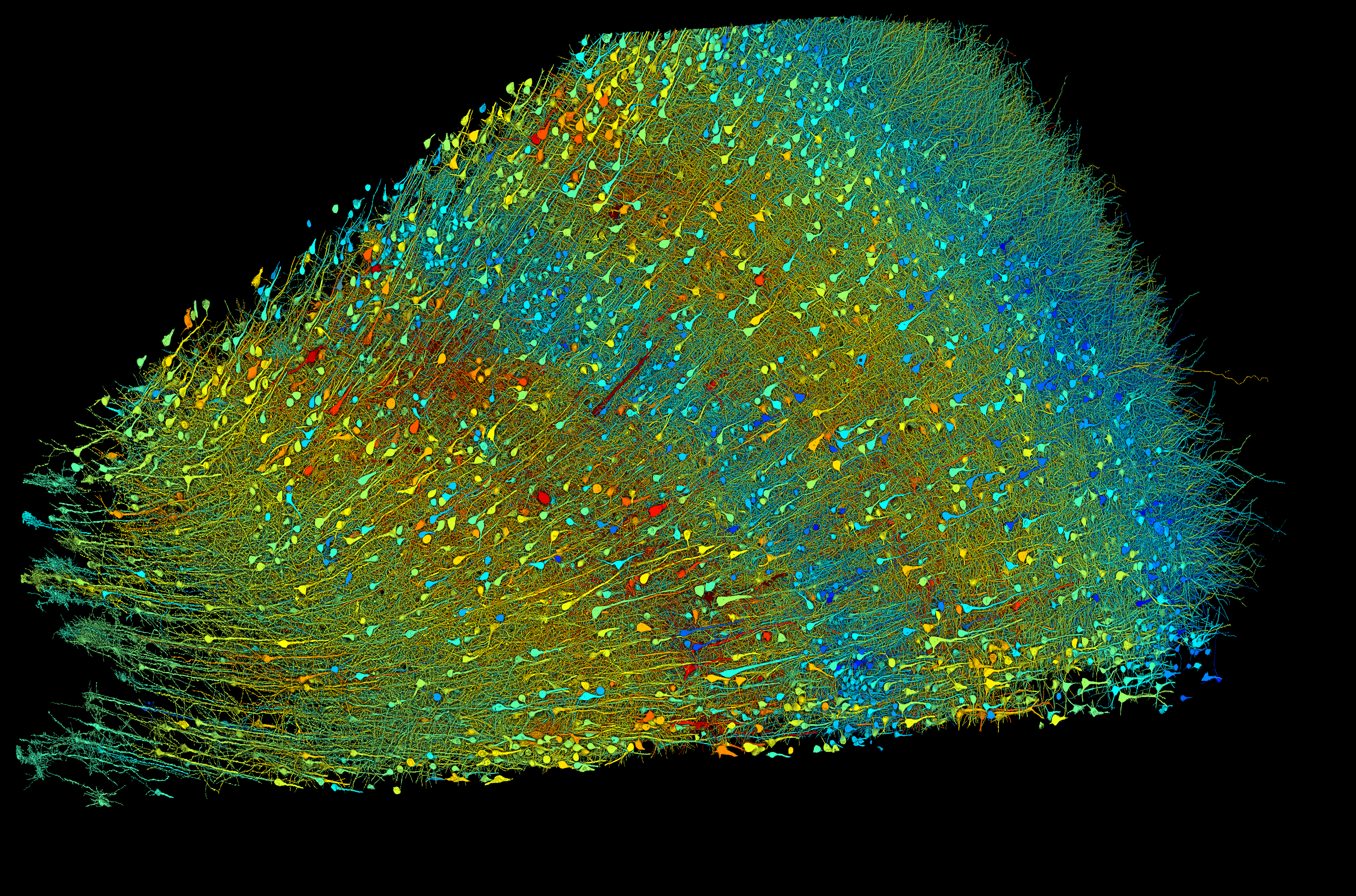
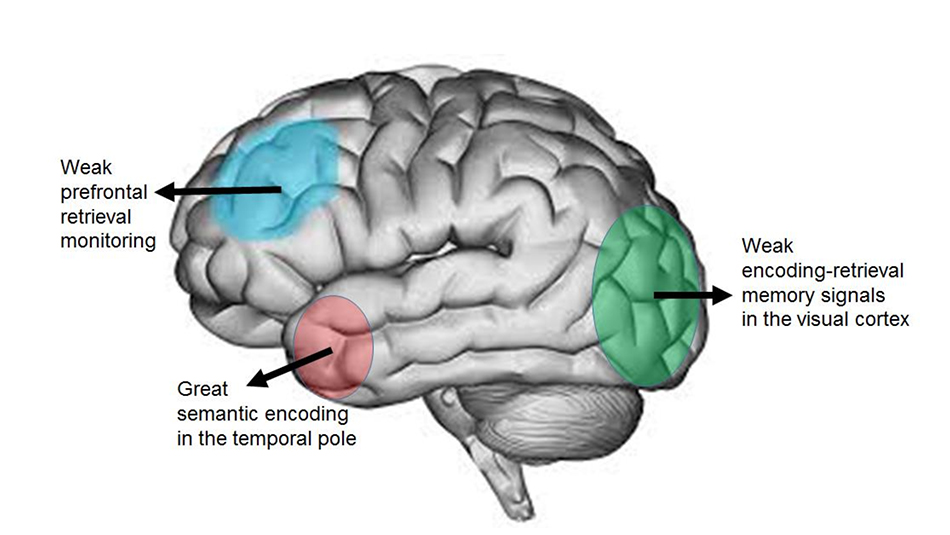
The Mandela Effect is deeply rooted in how our brains process and store information.
1. Memory is Reconstructed, Not Recorded
Our brains don’t store memories like a camera. Instead, they rebuild them each time we recall something—leaving room for errors.
2. Cognitive Bias
We often fill gaps in memory with assumptions that feel correct.
3. Social Influence
When multiple people share the same incorrect memory, it reinforces belief.
4. Pattern Recognition
The brain prefers familiar or expected patterns—even if they’re inaccurate.
👉 In simple terms:
Your brain prioritizes meaning over precision.
🌐 The Mandela Effect in the Digital Age


The internet has amplified the Mandela Effect like never before.
How?
Viral Content: Incorrect information spreads quickly
Echo Chambers: People reinforce each other’s beliefs
Memes & Trends: Distorted versions of reality become normalized
A single wrong idea can now reach millions—and feel true simply because it’s widely shared.
🧬 Scientific vs Alternate Theories

There are two major perspectives on the Mandela Effect:
🔬 Scientific Explanation
Most scientists believe it’s caused by:
Memory distortion
Cognitive bias
Social reinforcement
This explanation is grounded in psychology and neuroscience.
🌌 Alternate Theories
Some people suggest more mysterious possibilities:
Parallel universes
Timeline shifts
Simulation theory
While fascinating, these ideas lack scientific evidence.
💡 What the Mandela Effect Teaches Us

The Mandela Effect isn’t just a curiosity—it offers valuable insights:
1. Memory is Not Perfect
We often trust our memories more than we should.
2. Perception ≠ Reality
What we believe isn’t always what’s true.
3. Influence Matters
Our environment and social circles shape our beliefs.
4. Critical Thinking is Essential
Questioning information is more important than ever.
⚠️ The Impact of False Memories
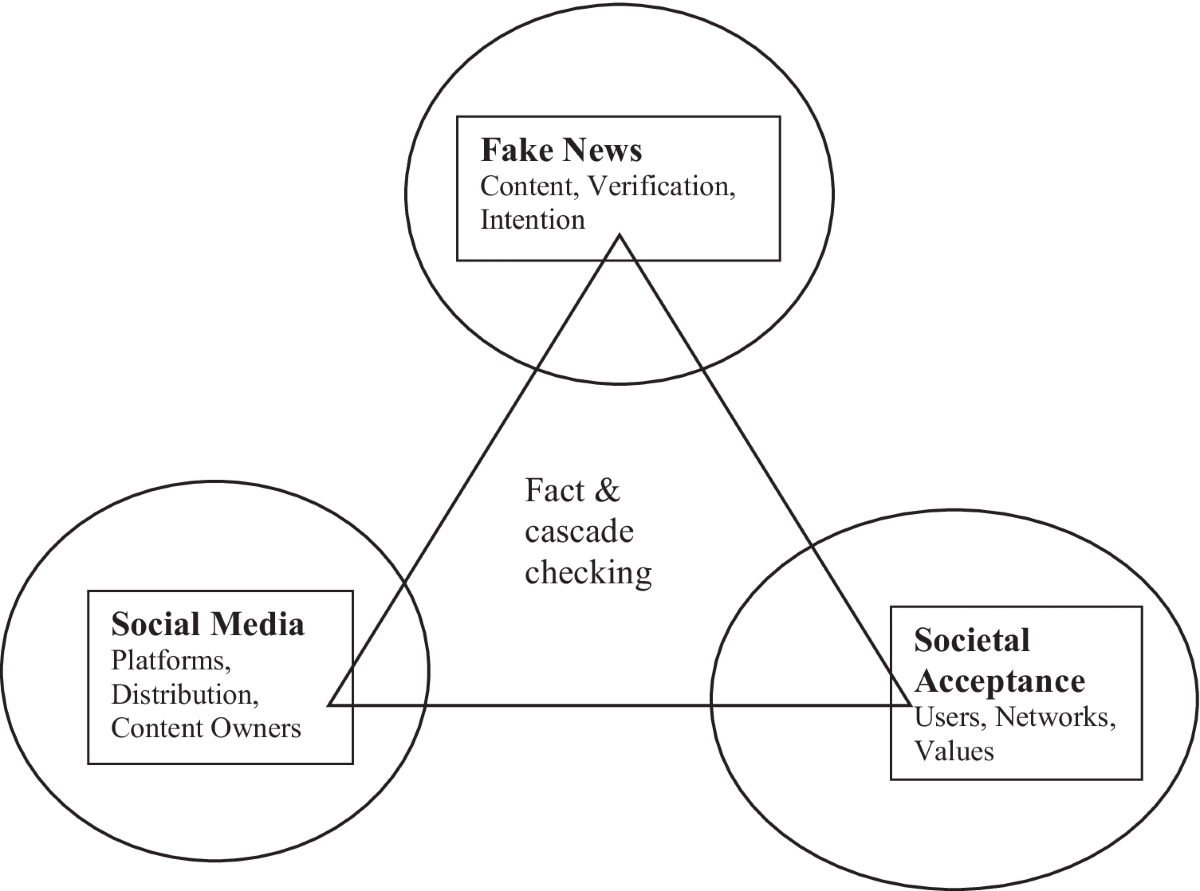
False memories can have real-world consequences:
Spreading misinformation
Influencing decisions
Creating confusion in important situations
In extreme cases, it can even affect legal or historical interpretations.
🔮 The Future of Memory and Perception


As technology advances, we may gain better tools to understand and even enhance memory.
Future possibilities include:
AI-assisted memory tracking
Brain-computer interfaces
Advanced neuroscience research
But one thing will remain true:
Human perception will always be imperfect.
✨ Conclusion
The Mandela Effect reveals something both fascinating and unsettling:
👉 We cannot always trust our own memories.
It shows how easily our minds can reshape reality—and how shared beliefs can feel true even when they’re not.
In a world filled with information, this phenomenon reminds us to stay curious, question what we know, and remain open to the idea that reality might not always be what it seems.
So next time you’re absolutely sure about something…
🧠 Take a second look—you might be experiencing the Mandela Effect.
Frequently Asked Questions (FAQs)
1. What is the Mandela Effect?
The Mandela Effect is a phenomenon where a large group of people share the same false memory about an event, detail, or fact.
2. Why is it called the Mandela Effect?
It is named after Nelson Mandela, because many people incorrectly believed he died in prison in the 1980s.
3. Who discovered the Mandela Effect?
The term was coined by Fiona Broome, who noticed this shared false memory phenomenon.
4. Is the Mandela Effect real or just imagination?
The phenomenon is real, but it is explained by psychology—mainly false memories, cognitive bias, and social influence.
5. What are some common examples of the Mandela Effect?
Examples include misremembered movie quotes, brand logos, spellings (like “Berenstein” vs “Berenstain”), and character details such as the Monopoly man’s monocle.
6. Can the Mandela Effect be explained scientifically?
Yes, most scientists explain it through memory reconstruction, where the brain reshapes memories instead of storing them perfectly.
7. Are parallel universes responsible for the Mandela Effect?
Some theories suggest this, but there is no scientific evidence supporting parallel universes as the cause.
8. How can I avoid false memories?
You can reduce false memories by verifying information, relying on credible sources, and practicing critical thinking instead of trusting memory alone.