
Introduction
What if your mind had the power to influence your physical health—without any real medicine?
Imagine taking a sugar pill and still feeling better, simply because you believe it will work.
This fascinating phenomenon is known as the Placebo Effect, and it reveals something incredible:
👉 Your brain can influence your body in powerful ways.
From medical trials to everyday life, the placebo effect shows how belief, expectation, and perception can shape real outcomes.
🧩 What is the Placebo Effect?
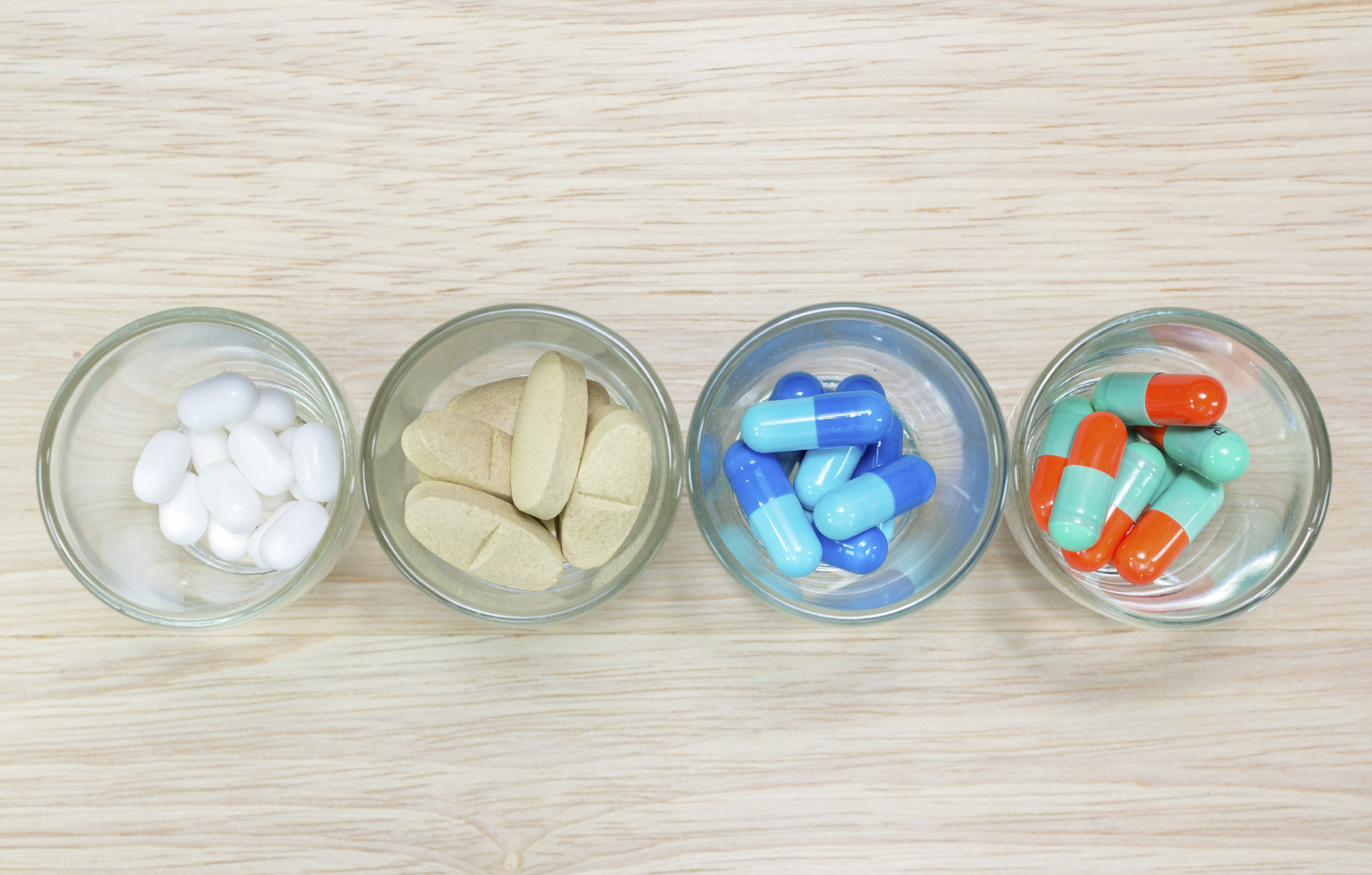

The Placebo Effect occurs when a person experiences real improvements in their condition after receiving a treatment that has no active medical effect.
This “treatment” could be:
A sugar pill
A saline injection
A fake procedure
Even though the treatment is inactive, the belief that it works can trigger real changes in the body.
🔬 How Does the Placebo Effect Work?


The placebo effect is not “just in your head”—it involves real biological processes.
Key Mechanisms:
1. Expectation
When you expect a treatment to work, your brain responds accordingly.
2. Brain Chemistry
The brain releases chemicals like:
Endorphins (natural painkillers)
Dopamine (feel-good hormone)
3. Conditioning
Past experiences with treatments can condition your brain to respond positively.
👉 In short:
Belief can trigger real physiological changes.
💊 Placebo Effect in Medicine


The placebo effect plays a crucial role in medical research.
Why It’s Important:
Helps test whether a treatment actually works
Used in double-blind trials
Separates psychological effects from real drug effects
In many studies, patients taking placebos still report improvements—sometimes significant ones.
🧠 Mind Over Matter: Real-Life Examples

The placebo effect appears in many real-world situations:
Examples:
Patients feeling pain relief without actual medication
Athletes performing better due to belief in supplements
People recovering faster because they think they’re being treated
These examples show that belief alone can influence outcomes.
⚠️ The Nocebo Effect: The Negative Side
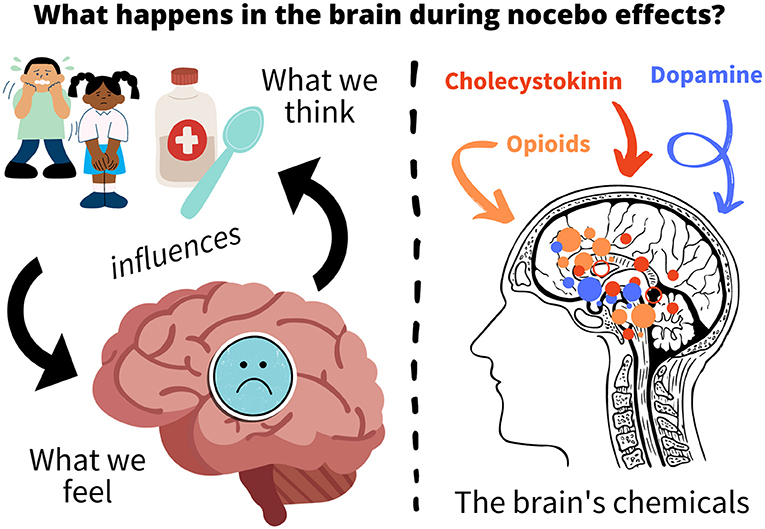
Just as positive belief can heal, negative belief can harm.
This is called the Nocebo Effect.
Examples:
Expecting side effects → actually experiencing them
Stress or fear worsening symptoms
👉 Your mind can work for you or against you.
🌐 The Placebo Effect Beyond Medicine
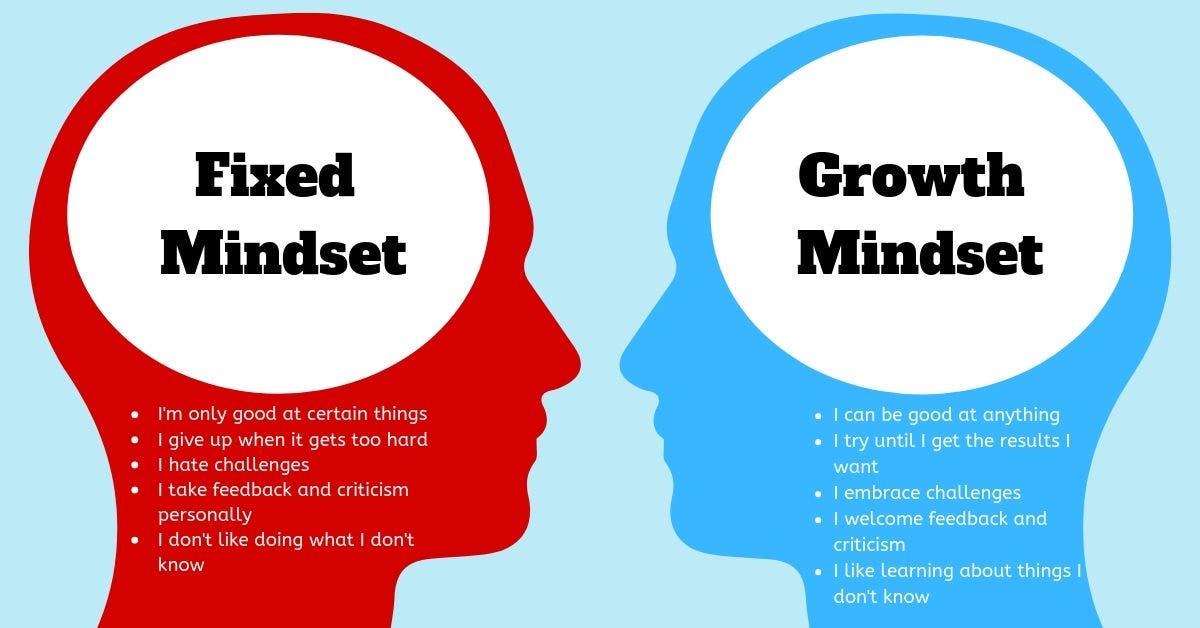
The placebo effect isn’t limited to healthcare—it appears in daily life.
Areas Where It Applies:
Fitness: Belief improves performance
Productivity: Confidence boosts results
Marketing: Perception influences value
For example, people often rate expensive products as “better”—even if they are identical.
🤔 Is the Placebo Effect Real Healing?

This raises an important question:
👉 If it works, does it matter if it’s “real”?
The placebo effect can:
Reduce pain
Improve symptoms
Enhance well-being
However, it cannot cure serious diseases on its own.
🔮 The Future of Placebo Research

Scientists are exploring how to use the placebo effect more effectively.
Future possibilities include:
Personalized treatments based on psychology
Combining real medicine with placebo benefits
Better understanding of mind-body interaction
💡 What the Placebo Effect Teaches Us


The placebo effect reveals powerful truths:
1. The Mind is Powerful
Your thoughts can influence your physical state.
2. Belief Matters
What you expect can shape your experience.
3. Perception Influences Reality
How you interpret situations affects outcomes.
✨ Conclusion
The placebo effect is one of the most fascinating examples of the mind-body connection.
It shows that healing is not just about medicine—it’s also about belief, expectation, and perception.
While it doesn’t replace real treatment, it highlights something extraordinary:
👉 Your mind is more powerful than you think.
Understanding this can help you make better decisions, improve your mindset, and unlock your full potential.
Frequently Asked Questions (FAQs)
1. What is the placebo effect?
The placebo effect is when a person experiences real improvements in their condition after receiving a treatment that has no active medical ingredients, simply because they believe it will work.
2. How does the placebo effect work?
It works through the brain’s response to expectation, triggering the release of chemicals like endorphins and dopamine that can reduce pain and improve mood.
3. Is the placebo effect scientifically proven?
Yes, it is well-documented in medical research and is commonly observed in clinical trials.
4. What is a placebo in medicine?
A placebo is an inactive treatment, such as a sugar pill or saline injection, used in studies to test the effectiveness of real medications.
5. Can the placebo effect actually heal diseases?
It can help reduce symptoms like pain or stress, but it cannot cure serious diseases on its own.
6. What is the nocebo effect?
The nocebo effect is the opposite of the placebo effect, where negative expectations lead to worse symptoms or side effects.
7. Why is the placebo effect important in clinical trials?
It helps researchers determine whether a treatment works better than belief alone by comparing results with a control group.
8. Can the placebo effect be used in everyday life?
Yes, positive thinking, belief, and mindset can influence performance, confidence, and overall well-being in daily activities.