
Introduction
What if there’s another version of you—somewhere out there—living a completely different life?
Maybe in one universe, you made a different decision. In another, your life took a completely opposite path.
This fascinating idea is known as the Parallel Universe Theory or the Multiverse Theory, and it suggests that our universe might not be the only one.
👉 There could be countless universes, each with its own reality.
In this blog, we’ll explore what parallel universes are, the science behind them, and what they could mean for our understanding of existence.
🧩 What Are Parallel Universes?

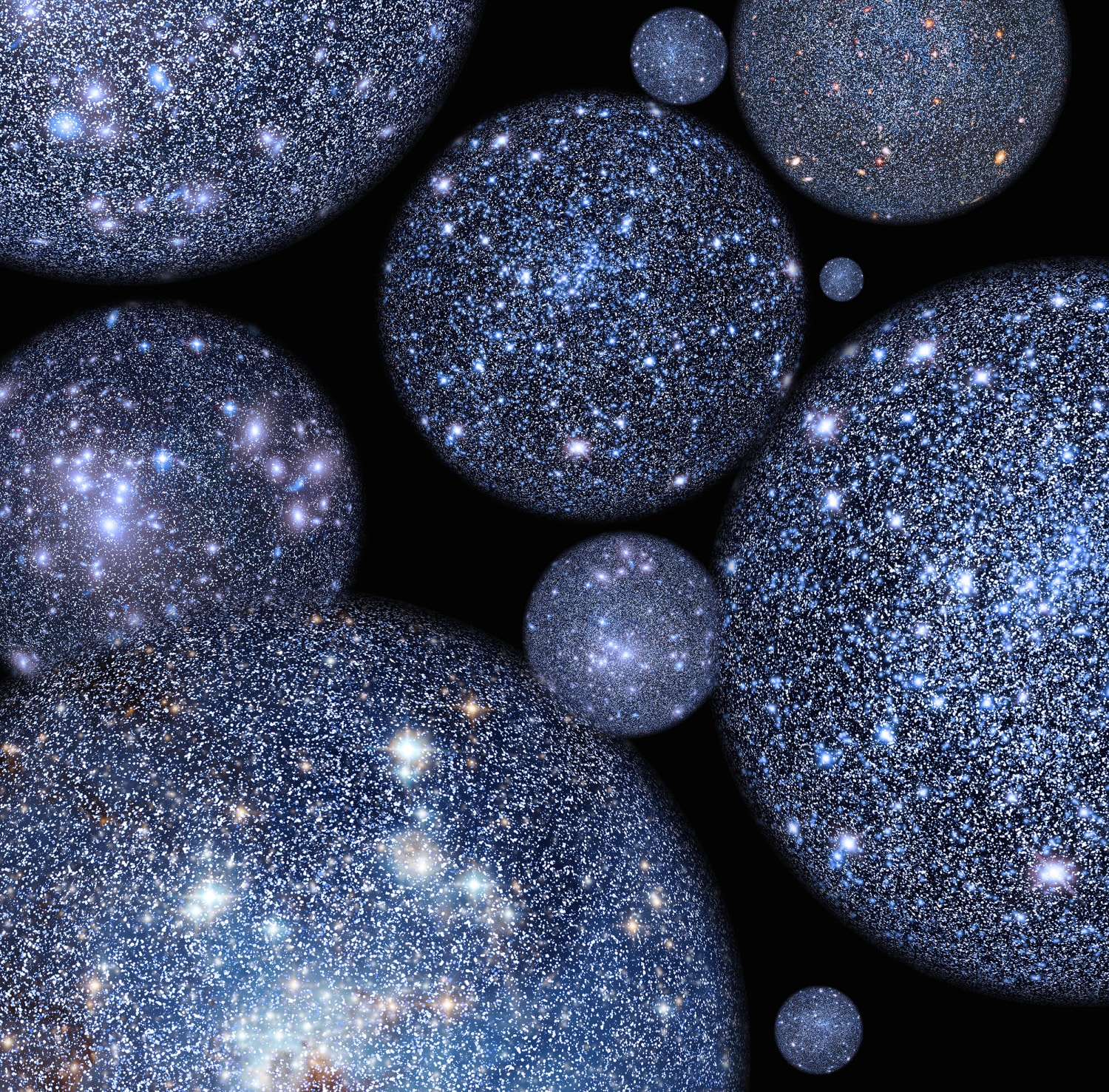
A parallel universe is a hypothetical universe that exists alongside our own.
These universes may:
Have different laws of physics
Contain different versions of reality
Include alternate versions of people
Together, all these universes form what is called the Multiverse.
🔬 Scientific Theories Behind the Multiverse
Several scientific ideas support the possibility of parallel universes:
1. Many-Worlds Interpretation
Proposed by Hugh Everett III, this theory suggests:
👉 Every decision creates a new universe.
For example:
One universe where you chose option A
Another where you chose option B
2. Cosmic Inflation Theory
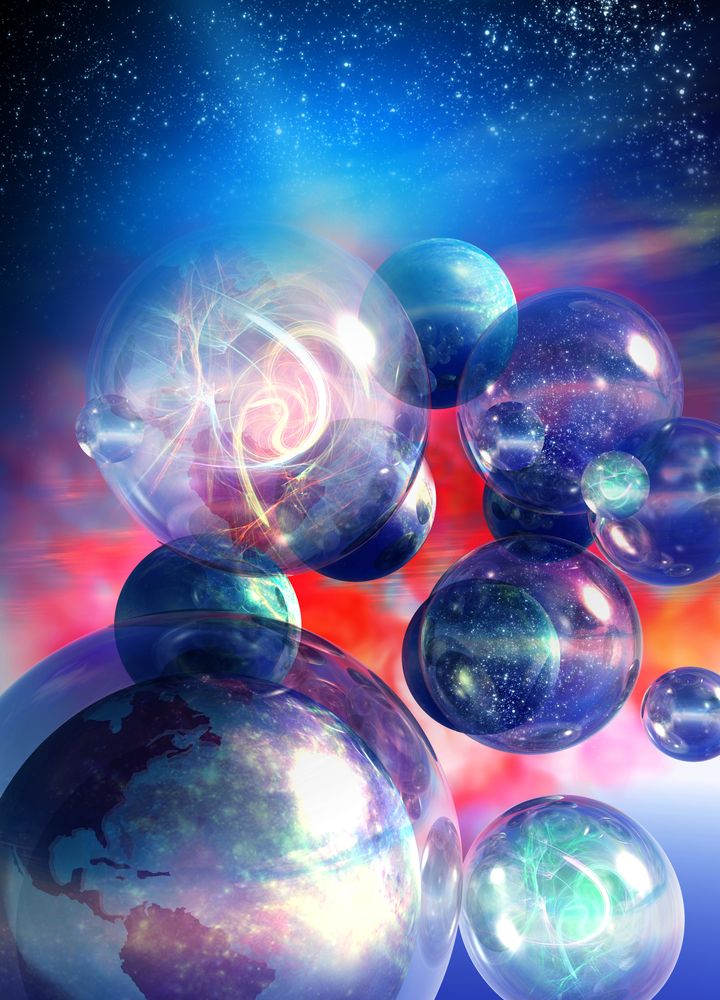
This theory suggests the universe expanded rapidly after the Big Bang, possibly creating:
👉 Multiple “bubble universes”
3. String Theory
String Theory allows for extra dimensions, which could:
👉 Contain other universes beyond our perception
🧠 Parallel Universes and Choices

One of the most exciting ideas is that:
👉 Every choice creates a new reality
This means:
Every “what if” might actually exist
Every missed opportunity could be real somewhere else
It’s a powerful way to think about decisions and possibilities.
🎬 Parallel Universes in Pop Culture
Parallel universes are a popular theme in movies and shows.
Examples include:
Doctor Strange in the Multiverse of Madness
Spider-Man: Into the Spider-Verse
These stories explore alternate realities, different identities, and the consequences of choices.
🤔 Is There Any Proof?
Currently:
❌ There is no direct proof of parallel universes
However:
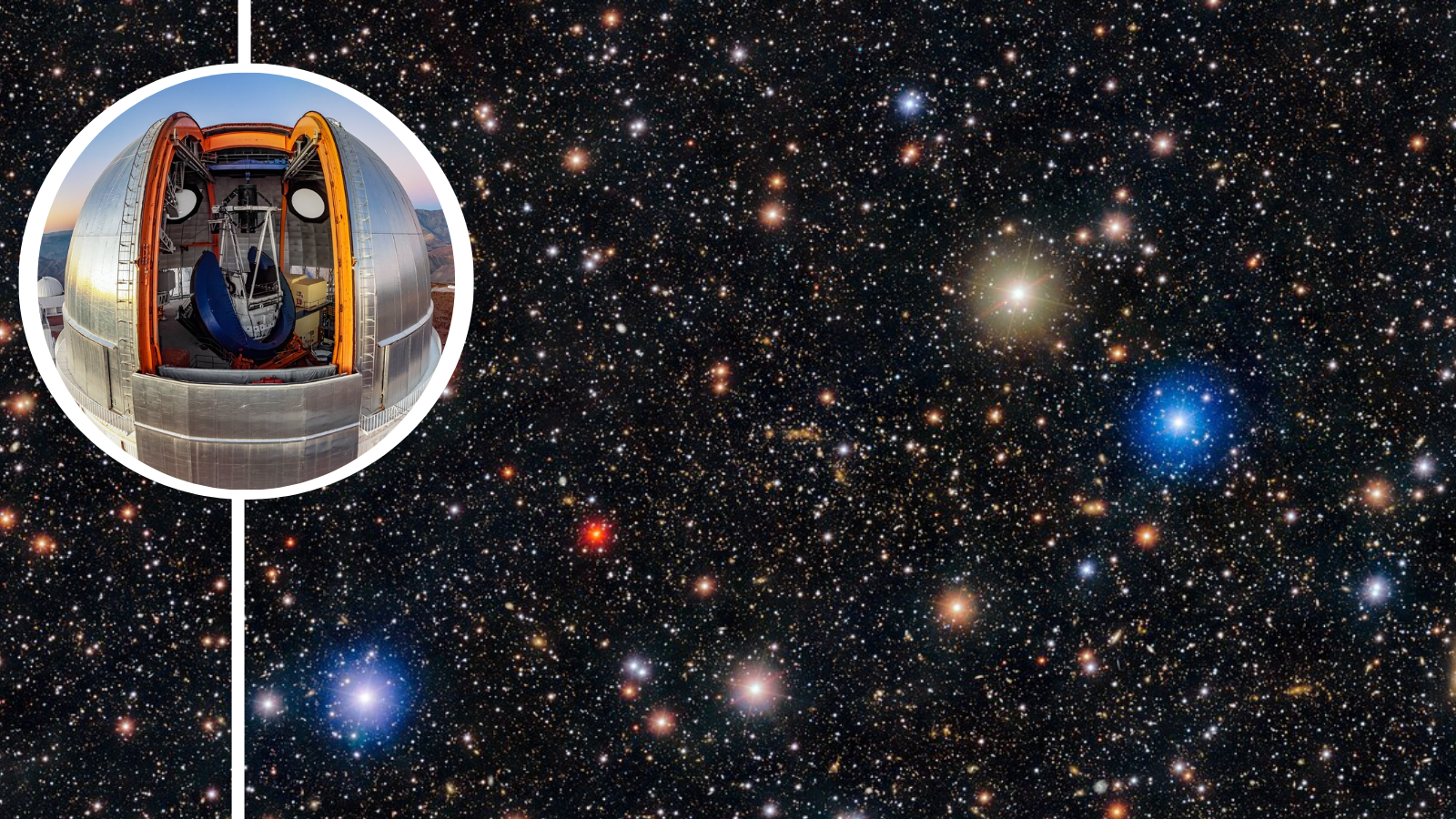
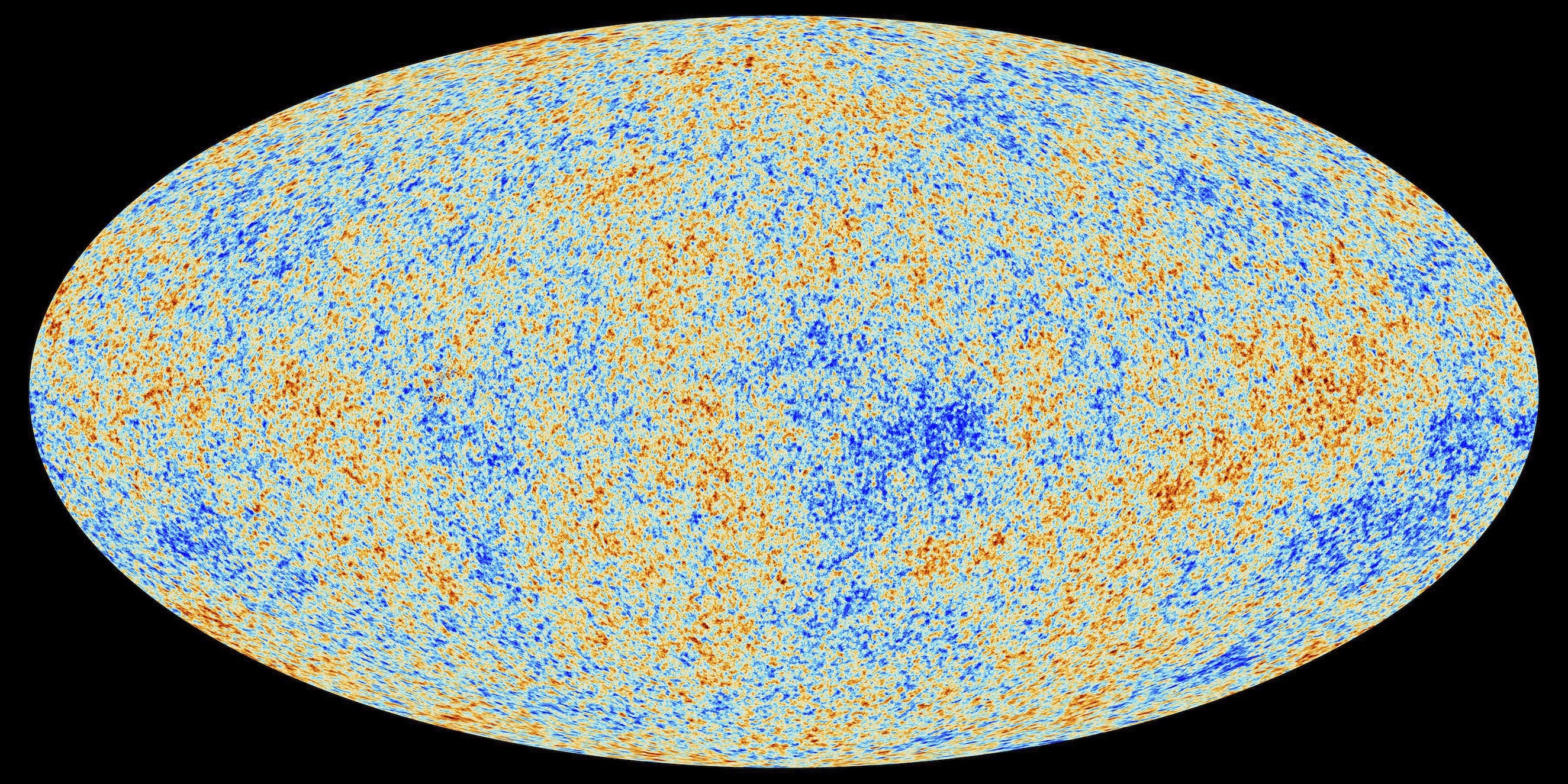
Some cosmic observations raise questions
Mathematical models support the possibility
The idea remains theoretical—but scientifically interesting.
🌌 What If Parallel Universes Exist?
If parallel universes are real, it changes everything:
There may be infinite versions of you
Every possible outcome could exist
Reality becomes far more complex
But it also raises deep questions:
Can we ever access them?
Do they interact with our universe?
⚠️ Challenges and Criticism
Despite its popularity, the theory faces challenges:
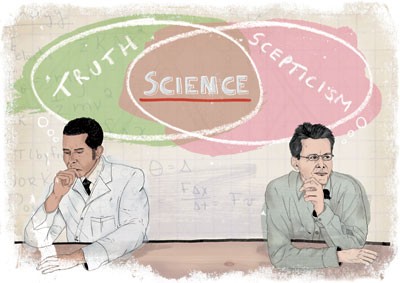
Lack of experimental evidence
Difficult to test
Often more philosophical than practical
Some scientists argue it may never be proven.
💡 What This Theory Teaches Us

Parallel Universe Theory reminds us:
1. Reality May Be Bigger Than We Think
Our universe might be just one of many.
2. Choices Matter
Every decision shapes your reality.
3. Curiosity Drives Science
Even wild ideas can lead to discovery.
✨ Conclusion
The idea of parallel universes is both exciting and mysterious.
While we don’t yet have proof, the theory pushes the boundaries of science and imagination.
It challenges how we think about reality, identity, and possibility.
And maybe, somewhere out there—
👉 There’s another version of you reading a completely different story.
Frequently Asked Questions (FAQs)
1. What is a parallel universe?
A parallel universe is a hypothetical universe that exists alongside our own, potentially with different realities, laws of physics, or versions of people.
2. What is the multiverse theory?
The multiverse theory suggests that our universe is just one of many, and there could be countless other universes existing simultaneously.
3. Who proposed the idea of parallel universes?
One of the key contributors is Hugh Everett III, who introduced the Many-Worlds Interpretation in quantum mechanics.
4. Is there any scientific proof of parallel universes?
No, there is currently no direct experimental proof. The idea is based on theoretical physics and mathematical models.
5. Do parallel universes have versions of us?
Some theories suggest that alternate versions of ourselves could exist in other universes, living different lives based on different choices.
6. Can we travel to parallel universes?
At present, there is no scientific method or technology that allows travel between universes.
7. How are parallel universes related to quantum physics?
Quantum theories, like the Many-Worlds Interpretation, suggest that every possible outcome of an event could exist in separate universes.
8. Why is the idea of parallel universes important?
It helps scientists explore deeper questions about reality, existence, and the structure of the universe, even if it remains unproven.