
Introduction
What if everything in the universe—every atom, every particle, every force—is made up of tiny vibrating strings?
Not strings like rope or thread, but incredibly small, one-dimensional energy structures that form the very foundation of reality.
This idea is known as String Theory, one of the most fascinating and ambitious concepts in modern physics. It attempts to answer one of science’s biggest questions:
👉 What is everything made of, at the deepest level?
String Theory goes beyond traditional physics, offering a framework that could unify all forces of nature into a single theory—something scientists have been searching for for decades.
🧩 What is String Theory?
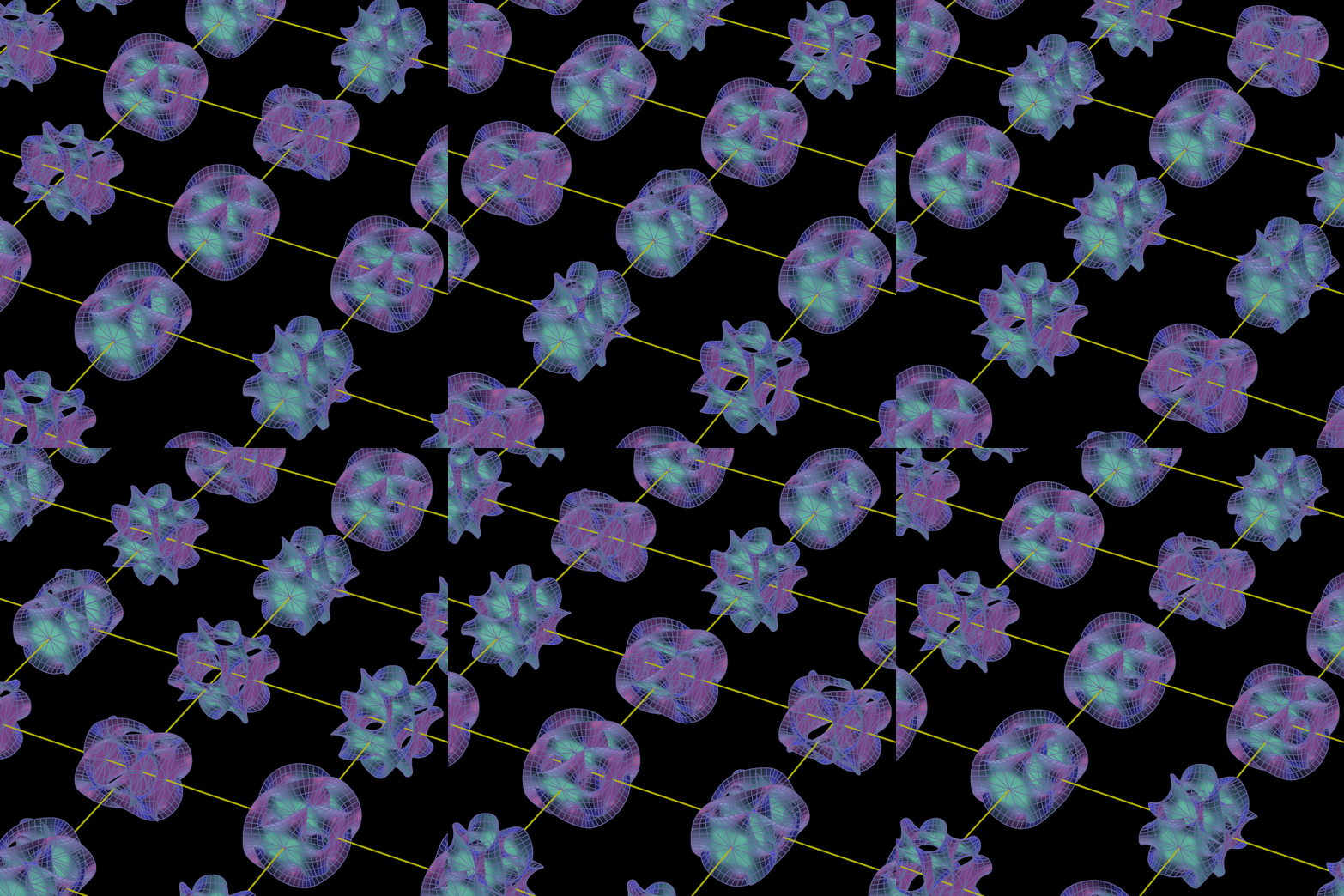
String Theory proposes that the smallest building blocks of the universe are not particles, but tiny vibrating strings of energy.
These strings are:
Incredibly small (far smaller than atoms)
Constantly vibrating
Responsible for different particles based on their vibration
🎯 Key Idea:
👉 Different vibrations = different particles
For example:
One vibration might create an electron
Another might create a quark
So instead of separate particles, everything is made from the same fundamental “string.”
🔬 Why Was String Theory Created?

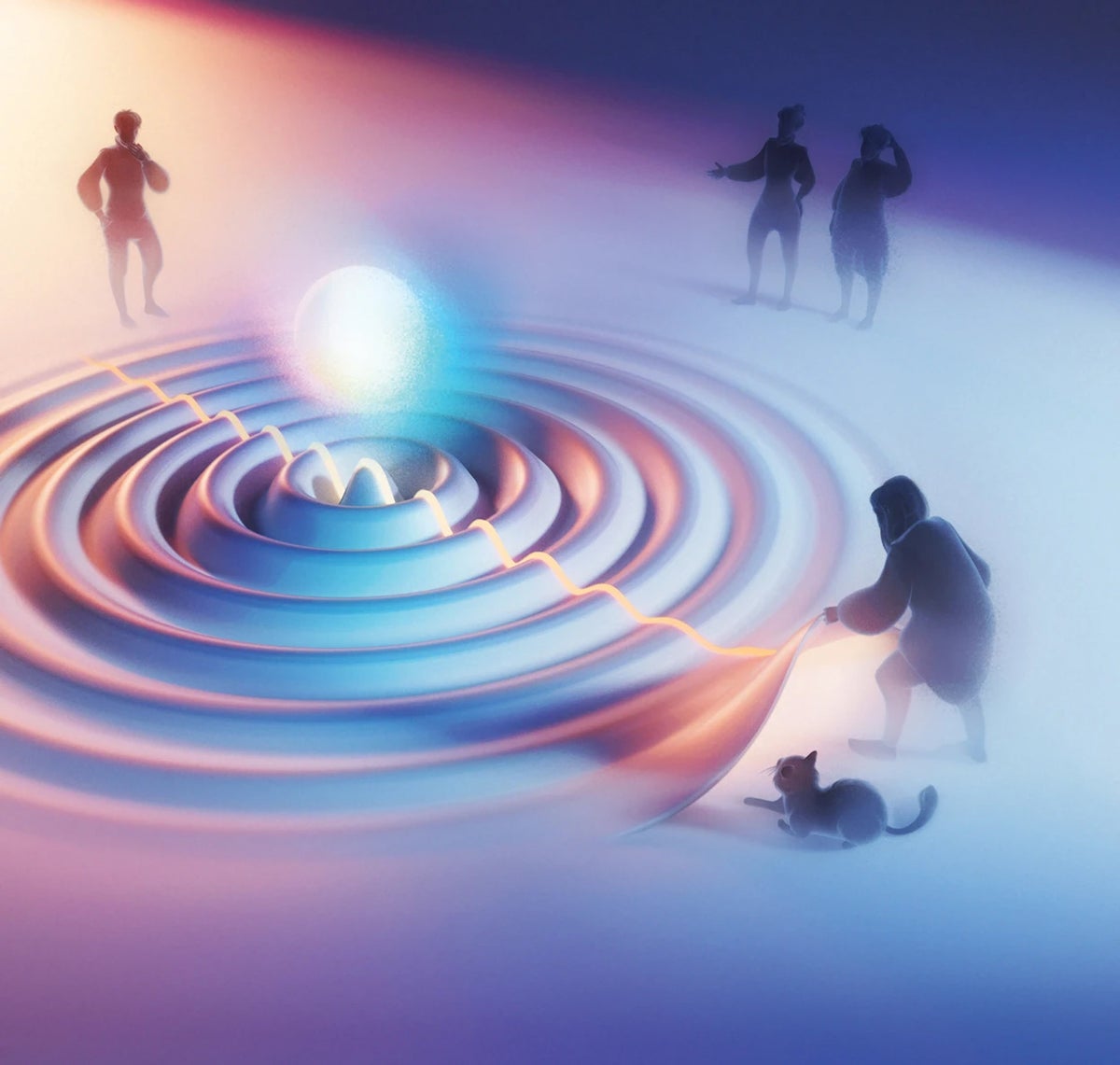
Physics currently has two major theories:
Quantum Mechanics – explains very small things (atoms, particles)
General Relativity – explains very large things (planets, gravity)
The problem?
👉 These two theories don’t fully agree with each other.
String Theory was developed to solve this conflict and create a:
🌌 “Theory of Everything” — a single framework that explains all forces in the universe.
🌌 Extra Dimensions: Beyond What We See
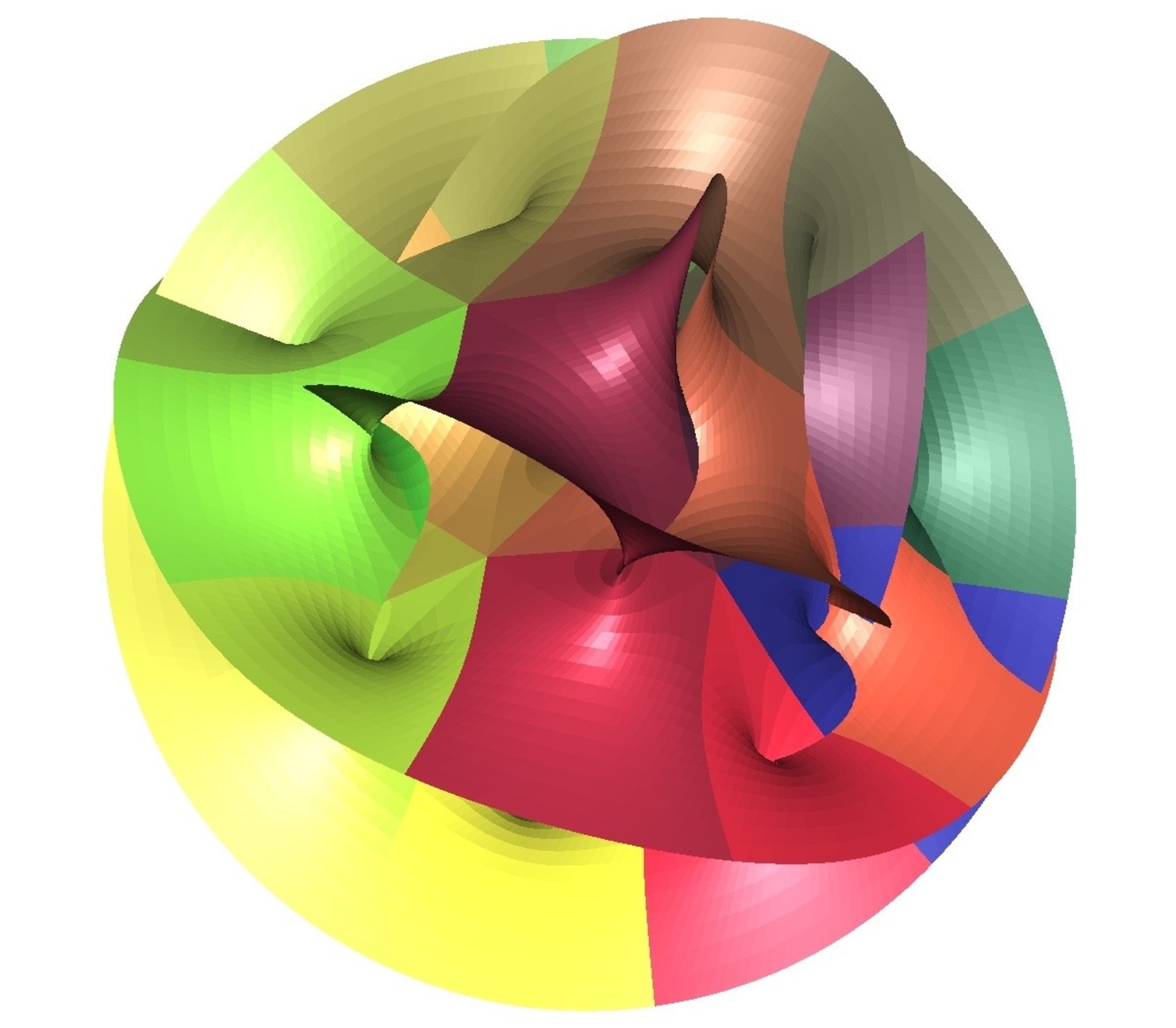
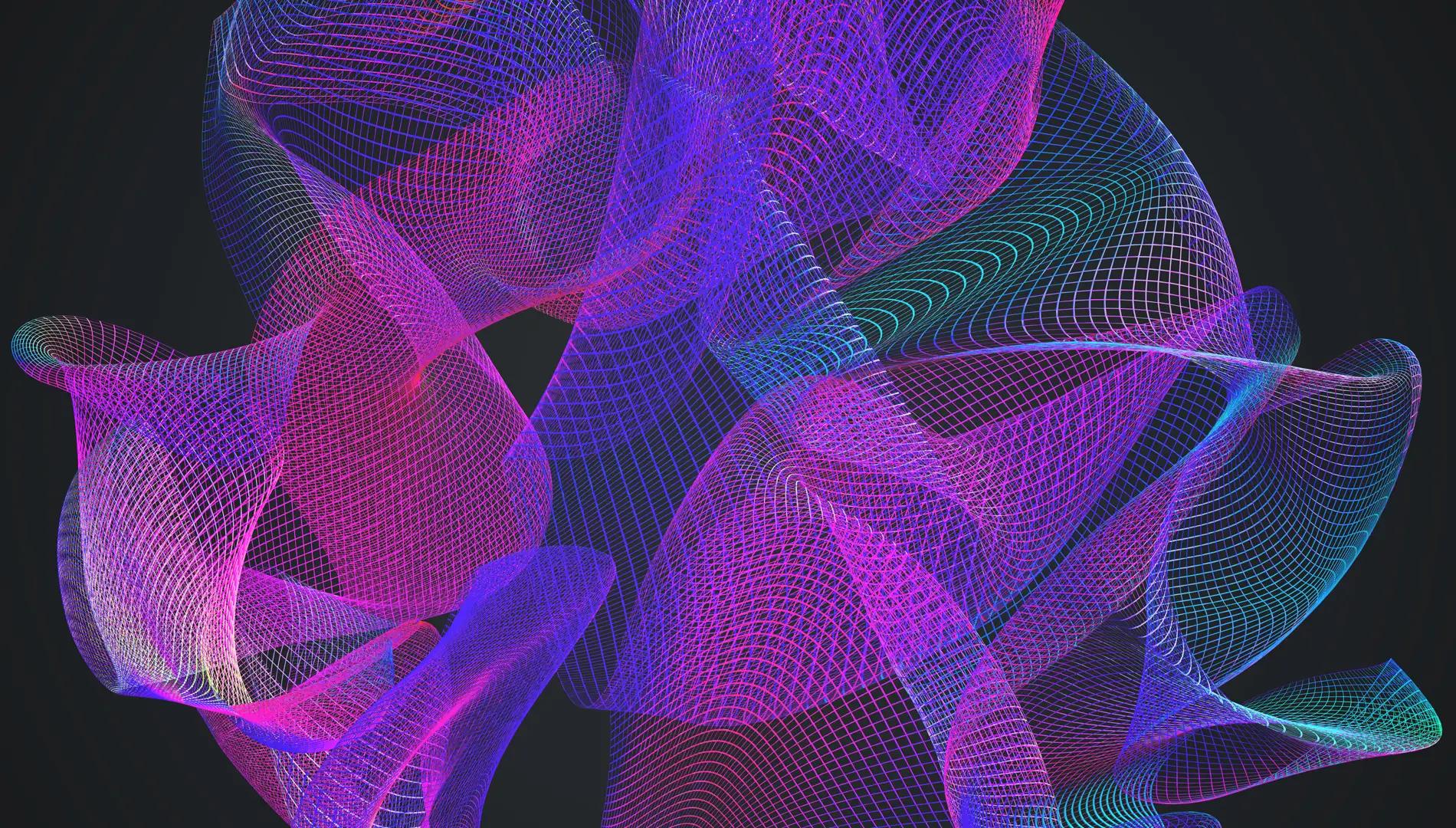
One of the most mind-blowing parts of String Theory is the idea of extra dimensions.
We experience:
3 dimensions of space
1 dimension of time
But String Theory suggests there could be:
👉 10 or even 11 dimensions
These extra dimensions are:
Hidden
Extremely small
Curled up in complex shapes
They might exist everywhere—but we can’t perceive them.
🎼 Vibrations: The Language of Reality
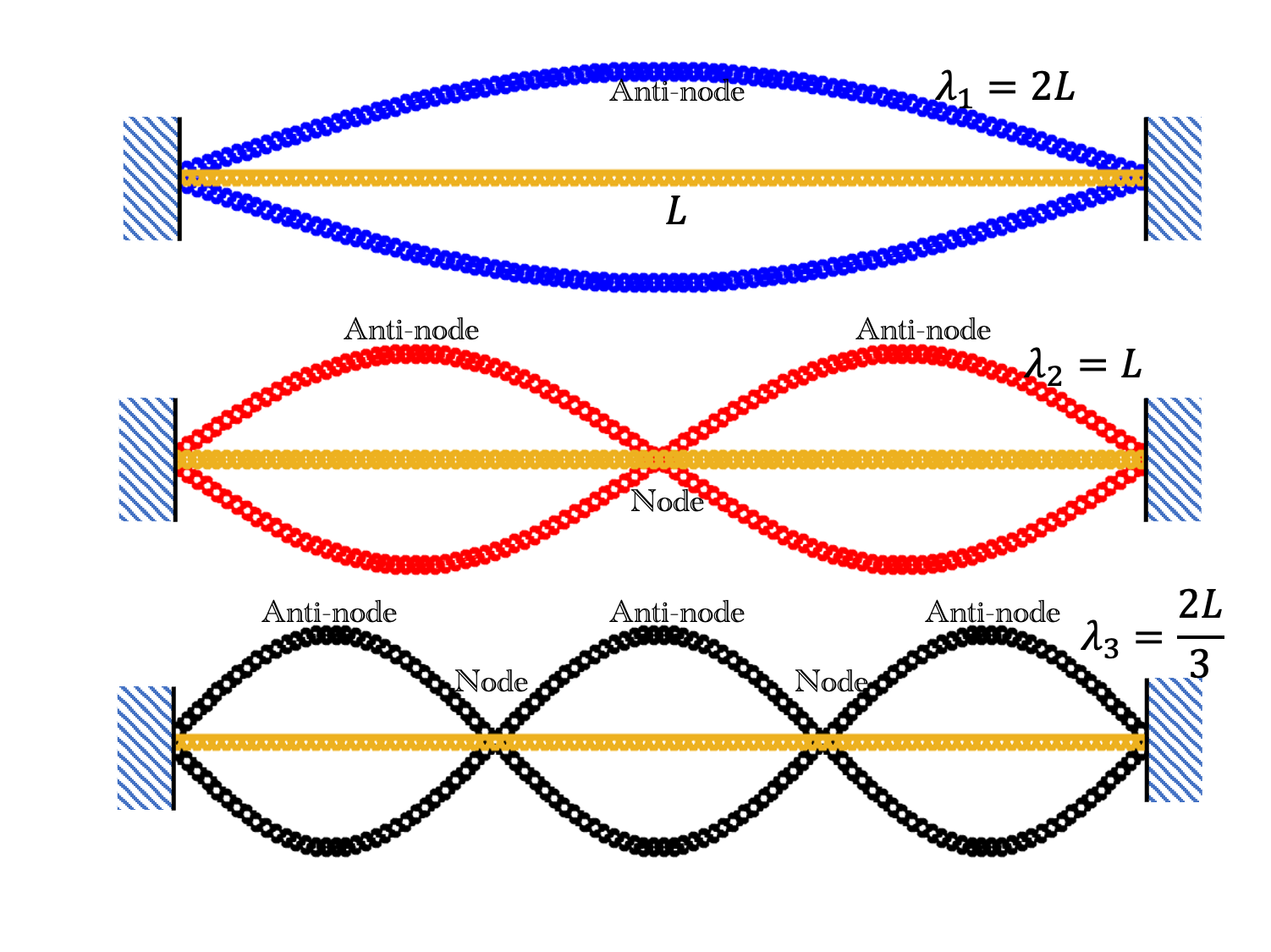
Think of a guitar string:
Different vibrations → different notes
Similarly, in String Theory:
Different vibrations → different particles
👉 The universe, in a way, is like a cosmic symphony.
Everything—from matter to forces—is created by these tiny vibrating strings.
⚛️ Types of Strings
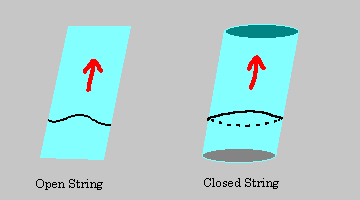

String Theory includes different types of strings:
1. Open Strings
Have two ends
Can attach to surfaces (called “branes”)
2. Closed Strings
Form loops
Can move freely
Closed strings are especially important because they may represent:
👉 Gravity (gravitons)
🌍 String Theory and the Universe


If String Theory is correct, it means:
The universe is made of tiny vibrating strings
All forces are connected
Reality is more unified than we thought
It could explain:
Gravity
Dark matter
Black holes
The origin of the universe
🤔 Challenges and Criticism
Despite its beauty, String Theory faces major challenges:
❌ No Direct Evidence
We currently cannot observe strings—they are too small.
❌ Difficult to Test
The theory is extremely complex and hard to verify experimentally.
❌ Multiple Versions
There are different versions of String Theory, making it less unified than hoped.
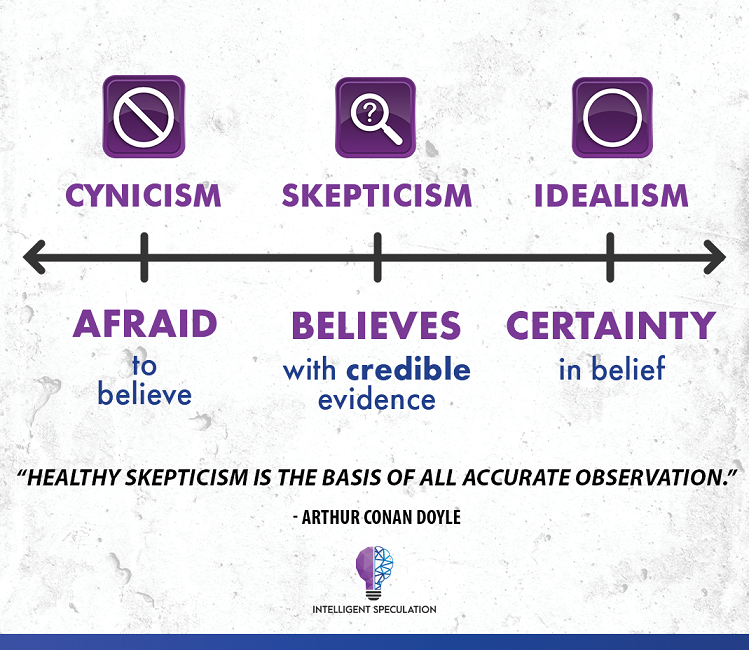
Because of this, some scientists remain skeptical.
🔮 The Future of String Theory

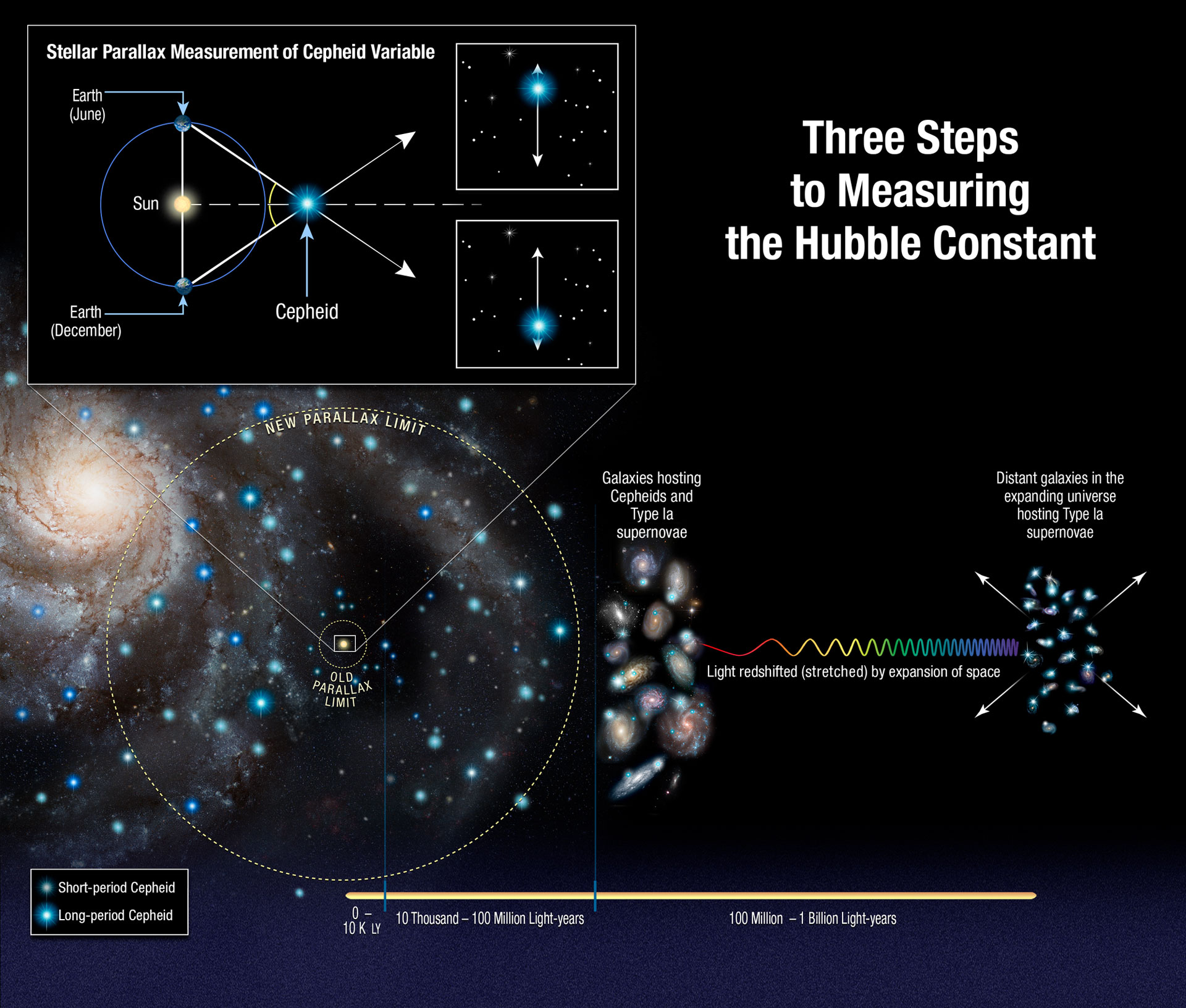
Researchers are still exploring ways to test and refine String Theory.
Future possibilities include:
Advanced particle accelerators
New mathematical breakthroughs
AI-driven simulations
One day, we may find evidence that confirms—or disproves—it.
💡 What String Theory Teaches Us

Even if not fully proven, String Theory teaches us something powerful:
1. The Universe is Deeply Complex
Reality is far more intricate than it appears.
2. Everything May Be Connected
At a fundamental level, everything could come from the same source.
3. Curiosity Drives Discovery
Big questions lead to groundbreaking ideas.
✨ Conclusion
String Theory is one of the most ambitious attempts to understand the universe.
It suggests that beneath everything we see lies a hidden world of vibrating strings, shaping reality in ways we are only beginning to imagine.
While it remains unproven, it continues to inspire scientists, thinkers, and dreamers.
Because at its core, String Theory is not just about physics—
Frequently Asked Questions (FAQs)
1. What is String Theory in simple terms?
String Theory suggests that the smallest building blocks of the universe are tiny vibrating strings of energy, not particles.
2. Why is String Theory important?
It aims to unify all fundamental forces of nature—including gravity—into one single framework, often called the “Theory of Everything.”
3. How do strings create different particles?
Different vibration patterns of strings produce different particles, similar to how different vibrations of a guitar string create different musical notes.
4. How many dimensions does String Theory propose?
String Theory suggests there may be 10 or 11 dimensions, beyond the 4 dimensions (3 space + 1 time) we experience.
5. Can we see or detect these strings?
No, strings are incredibly small—far beyond current technology—so they cannot be directly observed yet.
6. What are open and closed strings?
Open strings have two ends and can attach to surfaces, while closed strings form loops and may be responsible for gravity.
7. Is String Theory proven?
No, it is still a theoretical framework with no direct experimental evidence so far.
8. What is the biggest challenge of String Theory?
The main challenge is testing it experimentally, as the scale at which strings exist is too small for current scientific instruments.